Visit the Uffizi Gallery
in Florence
- Italy's most visited museum outside the Vatican
- The Medici's inalienable collection since 1743
- View current availability
- Mobile ticket accepted
- Non-refundable ticket under the listed conditions
Discover the intact vault of the Florentine Renaissance, where every room tells the story of the Medici political rise. Get direct access to Botticelli's rooms and admire The Birth of Venus without waiting in line at this temple of Western art.
Ticket options
Prices and conditions
Uffizi Gallery: Reserved Entry + Audio Guide
From 25 €.
The greatest Renaissance art collection with eight rooms dedicated to Caravaggio.

Uffizi Gallery: Reserved Entry
From 19 €.
See ancient Roman sculptures and Greek original copies.

Uffizi Gallery, Palazzo Pitti & Boboli Gardens: 5-Day Combo Pass
From 45 €.
View famous artworks and stroll through beautiful gardens.

Uffizi Gallery: Guided Tour
From 52 €.
Visit famous artworks and learn about their history with a guide.

Uffizi Gallery & Accademia Gallery: Reserved Entry + Audio Guide App
From 78 €.
See Michelangelo's 'David' and paintings by Botticelli with one ticket.

Uffizi Gallery: Reserved Entry Ticket
From 45 €.
Walk through galleries and see Renaissance artworks.

Uffizi Gallery: Entry Ticket + Audio Guide
From 55 €.
See famous Renaissance paintings and learn about their history.

Uffizi Gallery & Vasari Corridor: Reserved Entry Ticket
From 92 €.
Visit a famous art gallery and walk through a historic passage.

Uffizi Gallery & Vasari Corridor: Reserved Entry + Guided Tour
From 120 €.
View Renaissance art and walk through a historical passage.

Uffizi Gallery: Reserved Entry + Guided Tour in Chinese
From 98 €.
Learn about Renaissance art and view famous historical paintings.
What visitors say
Thousands of visitors have already booked their visit: reviews and testimonials
★ 4.3/5 · 12 reviews collected directly from visitors and moderated by Visit Tickets
"We bought the reserved entry ticket and arrived right at 8:15 AM. It was a revelation: not a single bus in sight, just the smell of the stone. We spent a long time contemplating The Birth of Venus in near-silence, a rare luxury. The pass through the Tribuna was just as magical; this octagonal room feels suspended in time. An absolute must-see."
"The visit is physically demanding with its 12,000 m², but we avoided the worst crowds by heading straight to galleries 10-14. That’s where Primavera is located, and it is absolutely sumptuous. The only downside: the audioguide system had some technical glitches, which was a bit frustrating. But watching the history of the Medici come to life behind the Portrait of Cosimo I remains unforgettable."
"Traveling solo, I loved the freedom this place offers. I took the advice to use the term Uffizi to navigate, which made it easier to ask locals for directions. I took my time before The Madonna of the Chancery; this Roman statue is remarkably delicate. The ambiance of the Vasari Corridor with the view over the Arno was a true love letter to any art enthusiast."
"We chose the Pitti Palace & Gardens pass to combine two major visits. The priority access made all the difference, saving us hours of waiting. Our kids were fascinated by Raphael’s Madonna and Child, a soothing presence amidst the rush. The baroque setting of the Tribuna truly transported them. Perfectly organized."
"It’s surprising to learn that this building originally served as administrative offices before becoming a museum. This history of the Medici gives the visit immense depth. We enjoyed the view of the Ponte Vecchio from the windows, a lovely interlude. The price of 25 euros is fair for the richness of the collections, especially the Botticellis which justify the wait."
"By visiting in November, we avoided the summer tourist crowds. The room with the Primavera was accessible, a rare occurrence! We were able to admire the complexity of this spring allegory. Our guide, during our Guided Tour, was fascinating, particularly regarding the 1743 bequest that saved the collections. The experience was smooth and enriching, without the sweat of peak season."
"It’s a massive monument, so you really need comfortable shoes. We took the elevator, but the hallways are long. Discovering The Birth of Venus is a moment of grace, even when surrounded by people. The contrast with the original state offices designed by Vasari is surprising. Although the crowds around the masterpieces are dense, the magic still works. Essential."
"We arrived at 9:00 AM, as recommended, to avoid school groups. A winning strategy! We could savor each room, especially the one dedicated to Botticelli. The details of the works are much clearer here than during peak hours. The skip-the-line ticket organization was key to this immersion. Florence would make no sense without this visit; a total success."
"As a couple, we were looking for an intimate moment, and the early entry provided just that. The light streaming through the windows toward the Ponte Vecchio was magnificent. We meditated for a long time before the Portrait of Cosimo I, a symbol of Florentine power. The harmony of Raphael’s Madonna and Child brought our tour to a gentle close. A fairytale interlude in the city."
"As seniors, we appreciated the lack of hustle and bustle in the late morning. We headed straight to rooms 10-14 for the Botticelli masterpieces. The audioguide, a bit finicky, didn’t ruin our discovery of The Tribuna. This baroque room, designed as a jewel box, is breathtakingly beautiful. The place truly deserves its title as Italy’s largest museum, despite the crowds."
"The fact that this is the most visited museum in Italy (excluding the Vatican) is no myth, with 4 million visitors! We used the Uffizi & Accademia pass, which simplified our day. Seeing The Birth of Venus after the David is a perfect combo. The history of the Medici bequest gives the tour a unique dimension. A dense and memorable cultural experience."
"Honest, the wait for non-reserved visitors can be long, but our reserved entry changed everything. We were inside within 15 minutes. The view of the Arno from the corridor is an unexpected bonus. We were amazed by Primavera; its composition is dazzling. The place is huge but well-structured. A must-see in Florence; absolutely book in advance."
Practical info
Everything you need to plan your visit
Address
50122 Florence, Italy
Toscana
Historic Center · Metro: San Marco (L1, 10 min walk) or bus stop G1/G2 near Piazza della Signoria.
Opening Hours
Hours vary by season and school holidays. Please check the official website before visiting.
Prices
Uffizi Gallery: Reserved Entry : From 19 €
Uffizi Gallery, Palazzo Pitti & Boboli Gardens: 5-Day Combo Pass : From 45 €
Uffizi Gallery: Guided Tour : From 52 €
Uffizi Gallery & Accademia Gallery: Reserved Entry + Audio Guide App : From 78 €
Uffizi Gallery: Reserved Entry Ticket : From 45 €
Uffizi Gallery: Entry Ticket + Audio Guide : From 55 €
Uffizi Gallery & Vasari Corridor: Reserved Entry Ticket : From 92 €
Uffizi Gallery & Vasari Corridor: Reserved Entry + Guided Tour : From 120 €
Uffizi Gallery: Reserved Entry + Guided Tour in Chinese : From 98 €
Show more ▾
Free entry for children depending on age (check variants). .
Visit Duration
Photos
Audience
Accessibility
PMR
PMR access guaranteed via elevators, but check specific access routes at the entrance.
Family
Educational tours available for children; stroller cloakroom recommended.
Audio guide
French, English, Spanish
Weather in Florence
Current conditions and forecast to plan your visit
Discover Uffizi Gallery
A monumental heritage since 1765
Key figures of the Uffizi Gallery
4.39 M
Visitors in 2019
12,000 m²
Exhibition space
1560
Start of Vasari construction
1743
Anne-Marie-Louise's Testament
Opened in 1765, this museum became the absolute jewel of Western art. With nearly 4.4 million visitors in 2019, it tops the Italian rankings outside the Vatican. Its 12,000 m² house the world's richest collection of Italian Renaissance paintings.
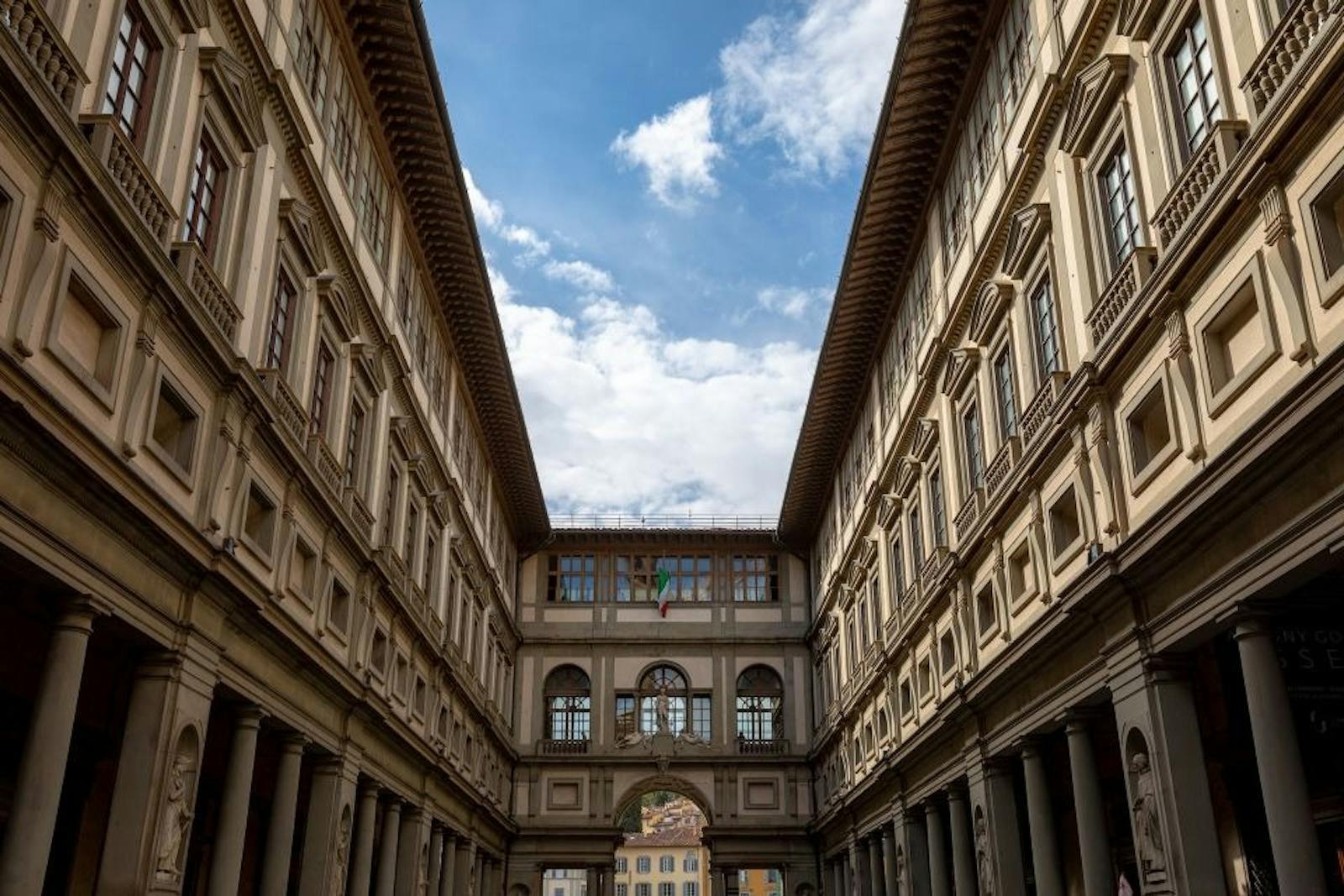
History of the Palazzo degli Uffizi
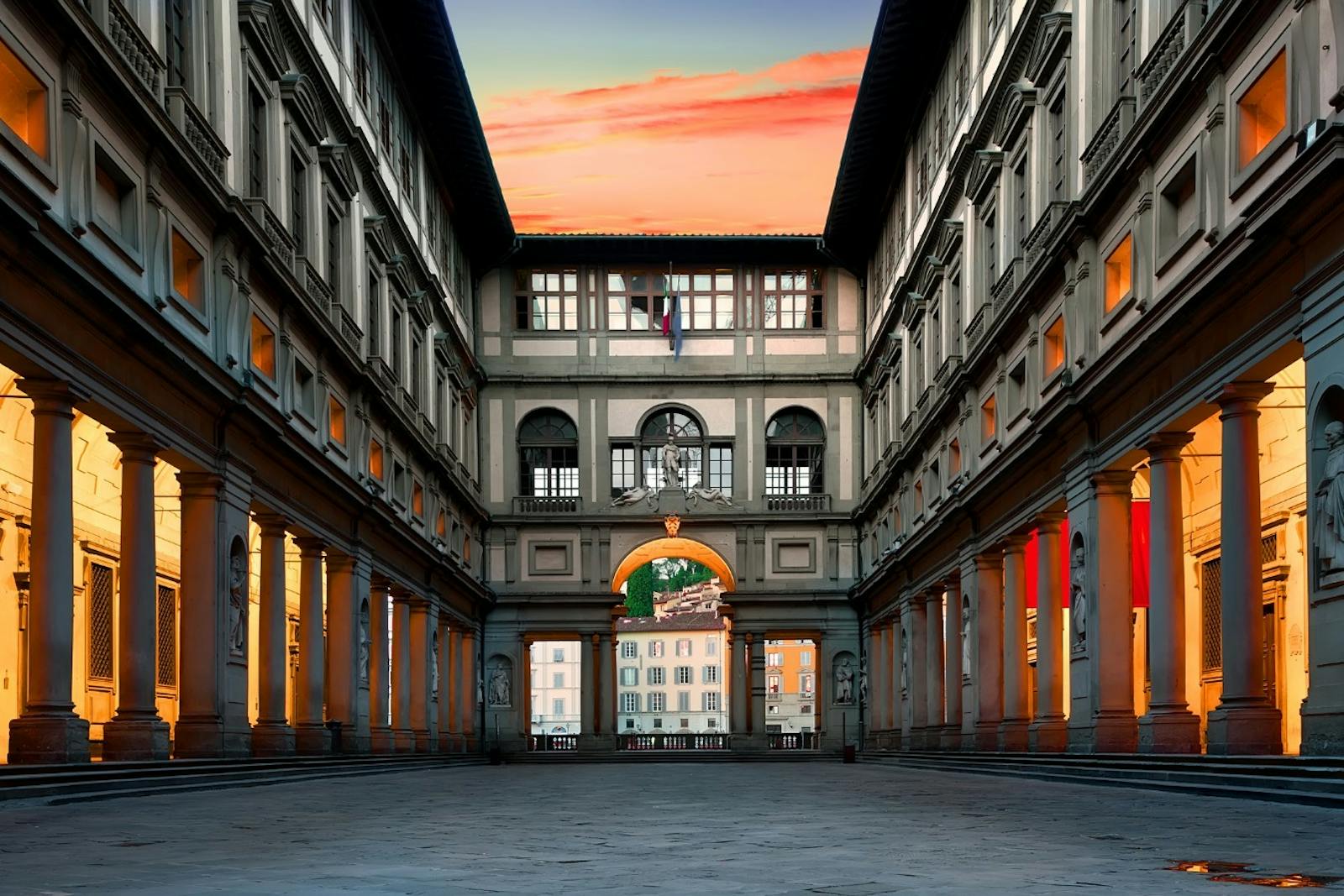
Initially designed by Giorgio Vasari in 1560 for Cosimo I, this building served as administrative offices for the Florentine state. It was only under Francesco I, in 1581, that the upper gallery was transformed into a museum to display the Grand Ducal collections. This transformation marks the beginning of a unique cultural vocation in the heart of the city.
The building symbolically connects the Palazzo Vecchio to the Pitti Palace via the Vasarian Corridor. Initially designed for the safety of the Grand Duke, this underground passage now crosses the Ponte Vecchio. The architecture itself tells the story of Medicean power, blending administrative functionality and artistic prestige in an imposing structure dominating the Arno.
In 1743, Anne-Marie-Louise de' Medici stipulated in her will that the collections remain inalienable and attached to the city of Florence. Without this crucial decision, these treasures could have been dispersed to Vienna or other European courts. This founding act ensures that the works remain accessible to the public, forming the core of the current museum thanks to the Medici Convention.
What to see at the Uffizi
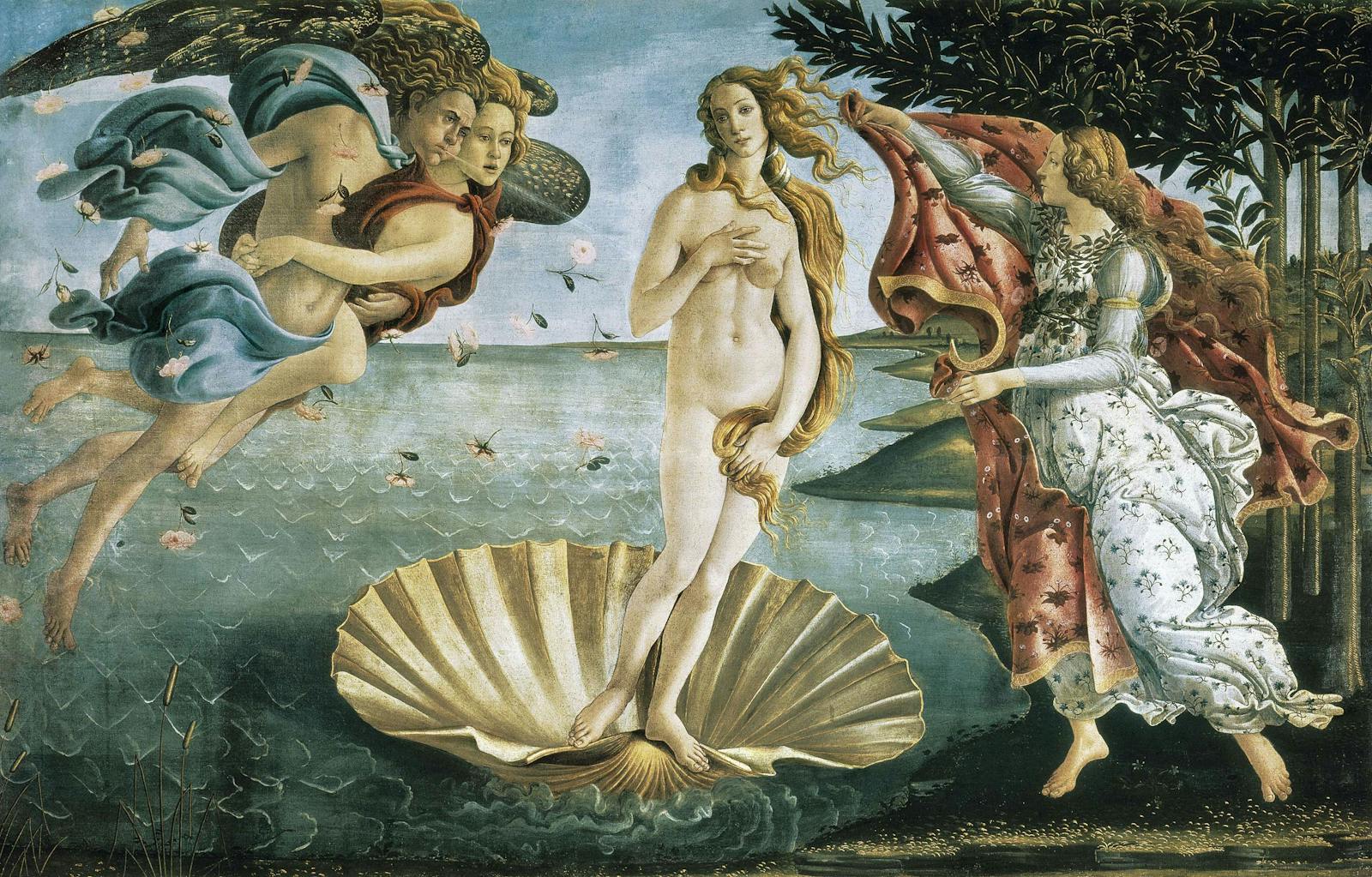
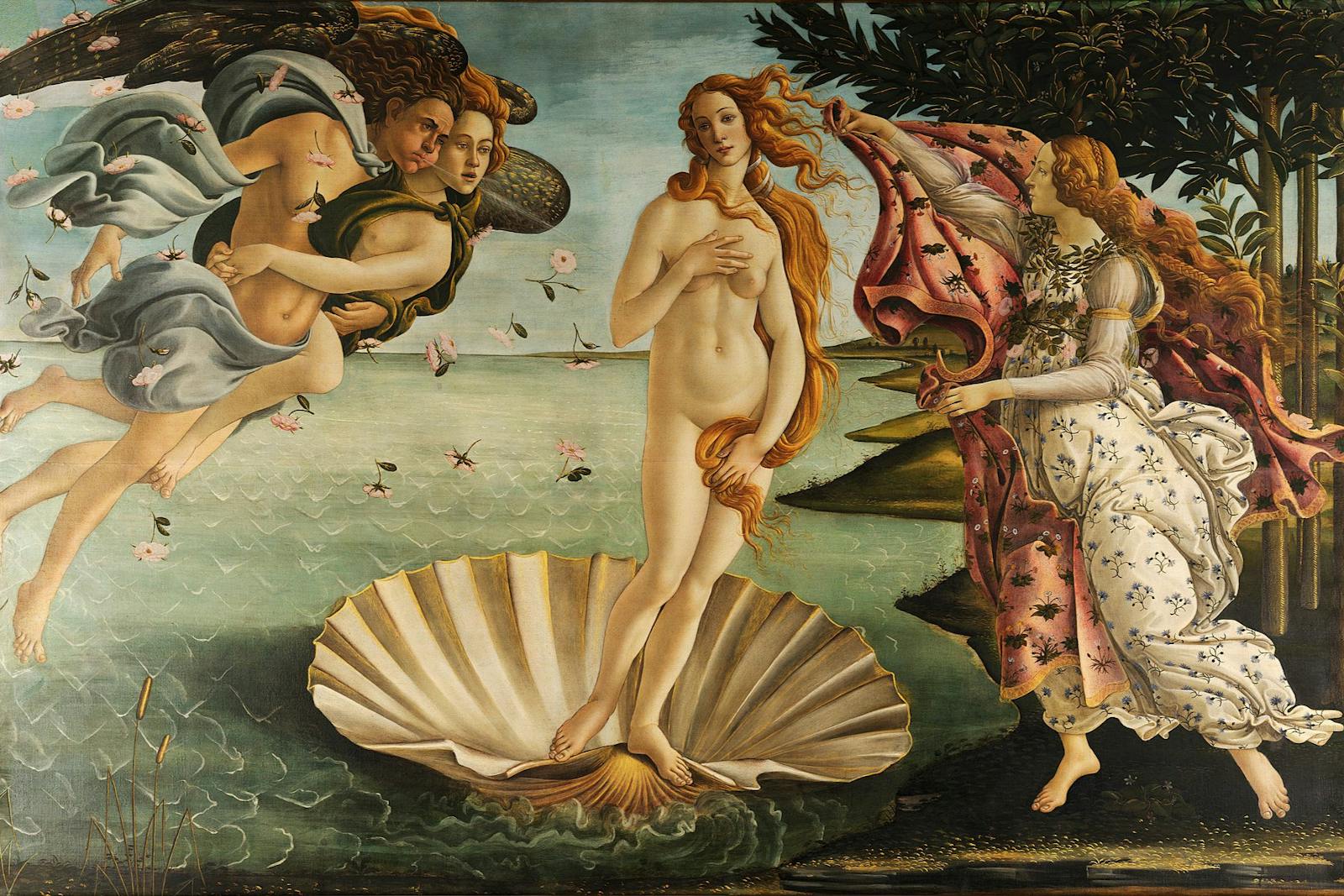
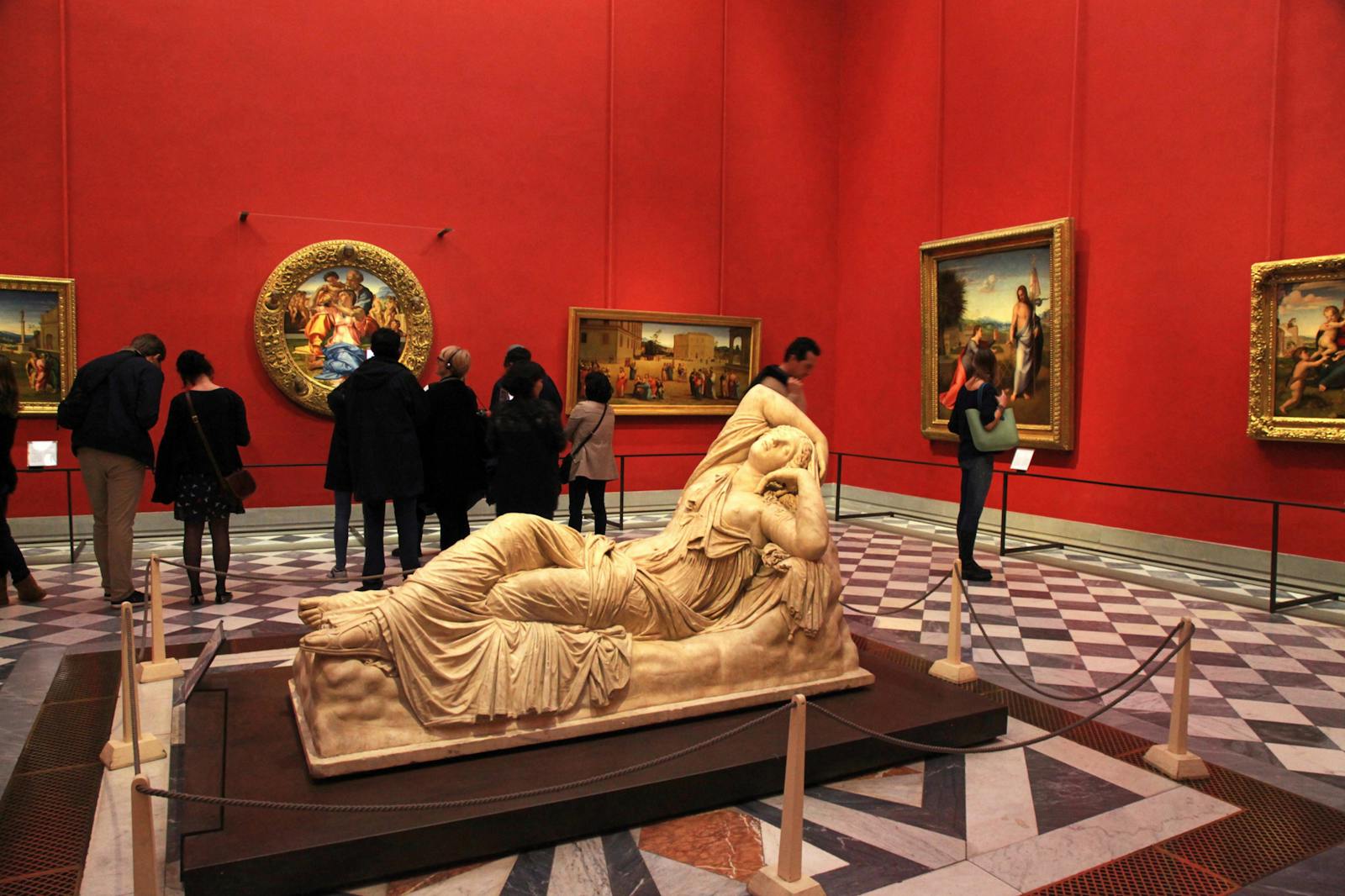
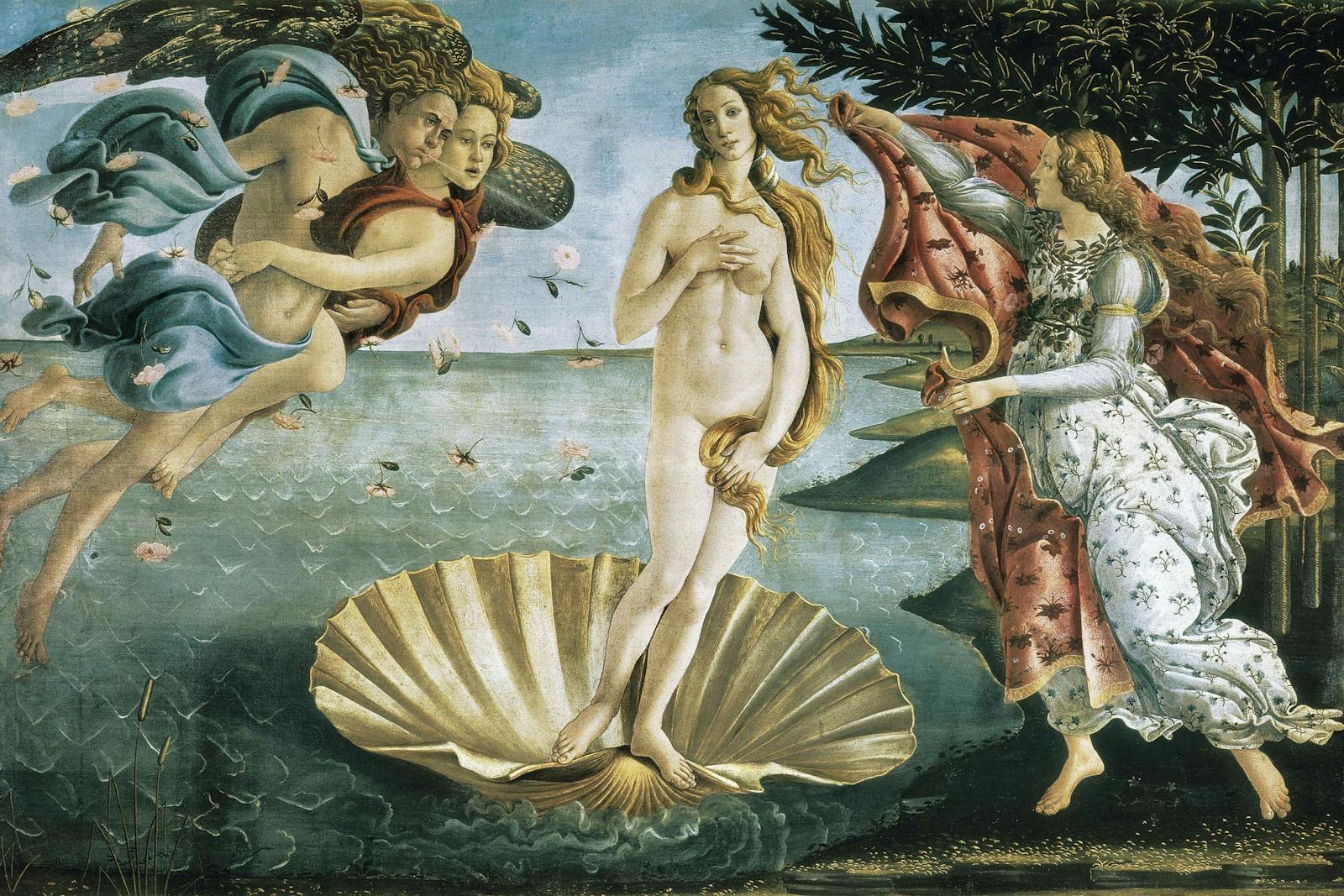
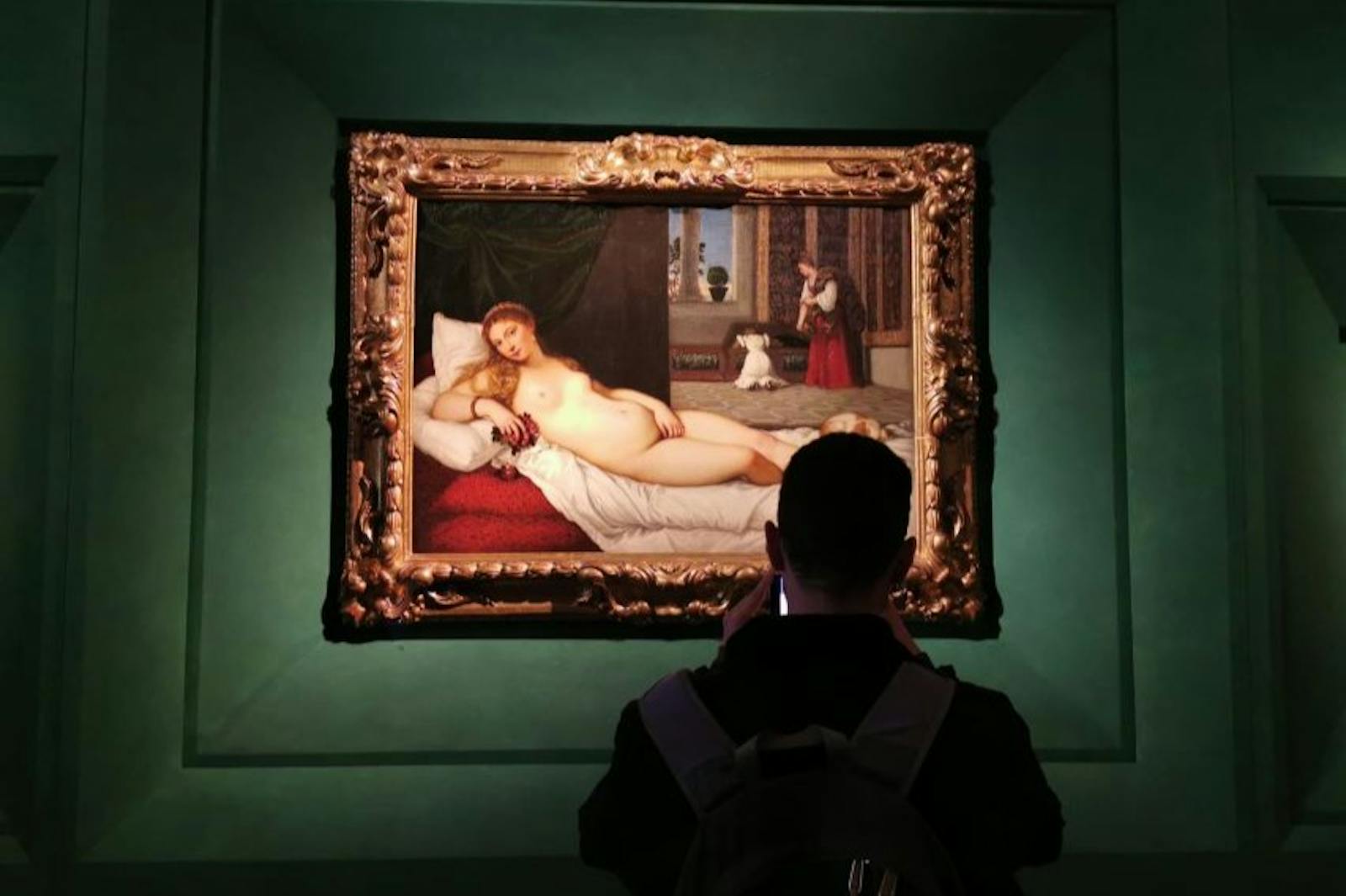
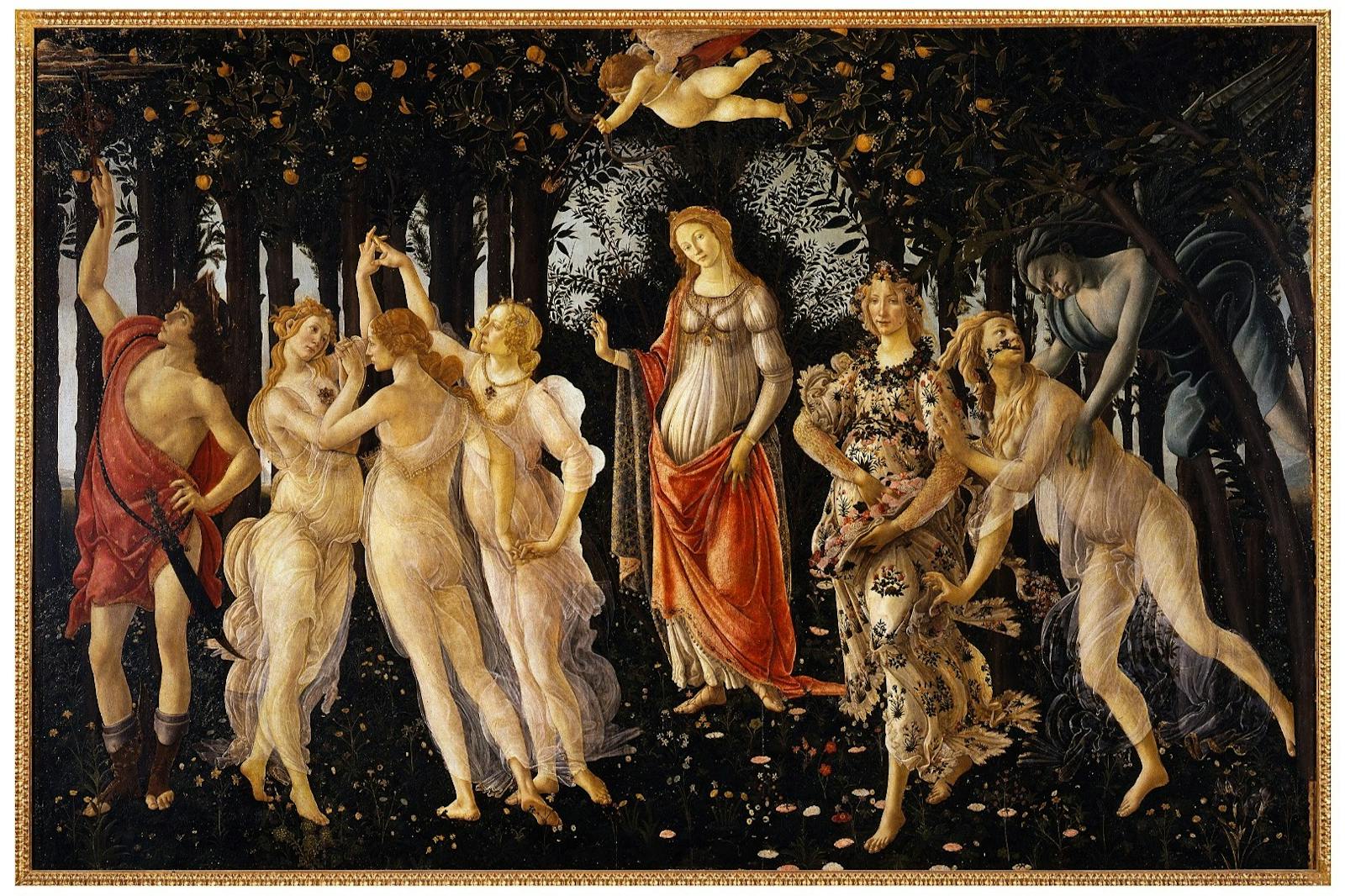
Galleries 10 to 14 form the beating heart of the museum, housing the masterpieces of Sandro Botticelli. You will find The Birth of Venus and Primavera, two iconic paintings that define the aesthetic ideal of Platonic Renaissance. These works require attentive contemplation to grasp their complex Neoplatonic symbols.
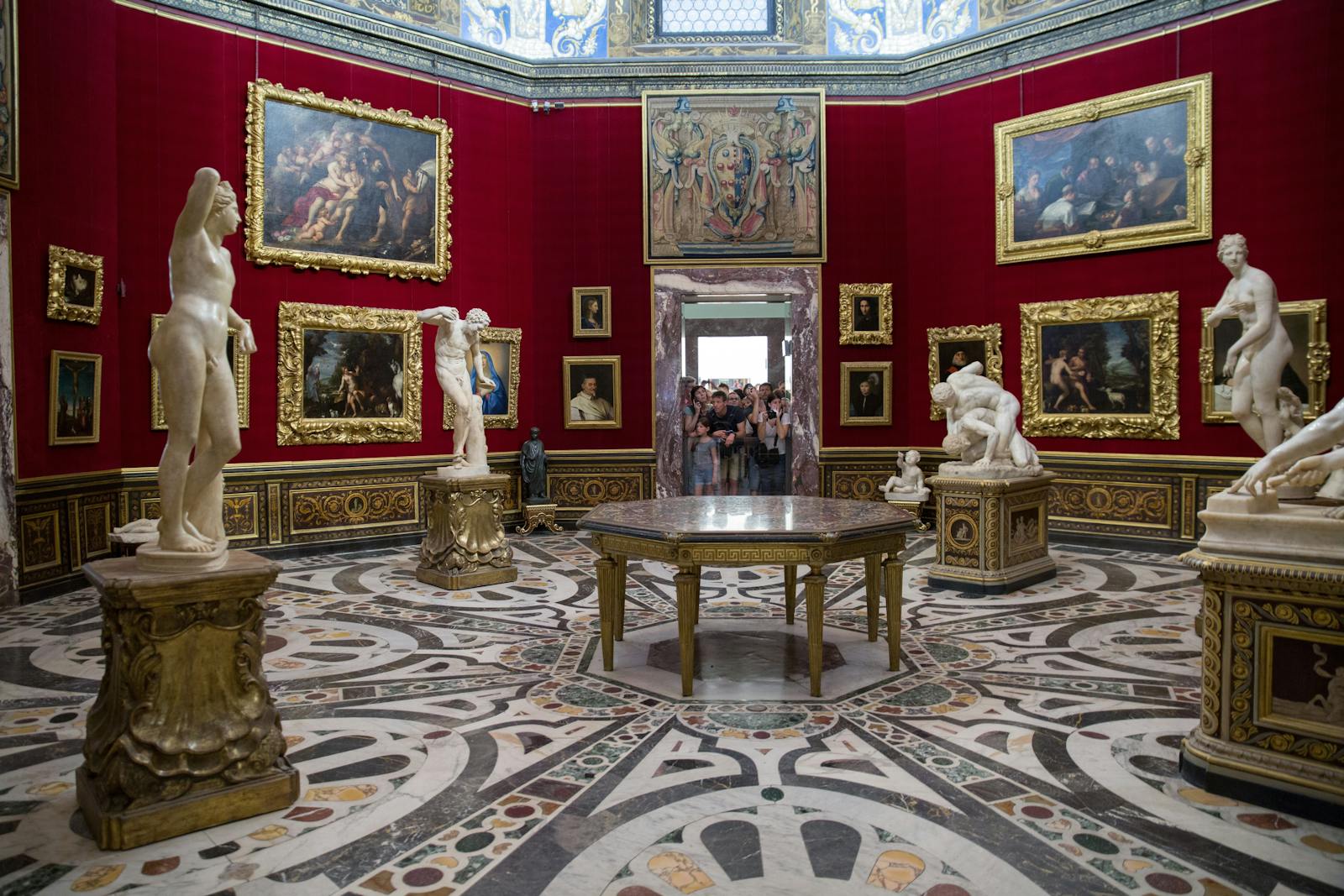
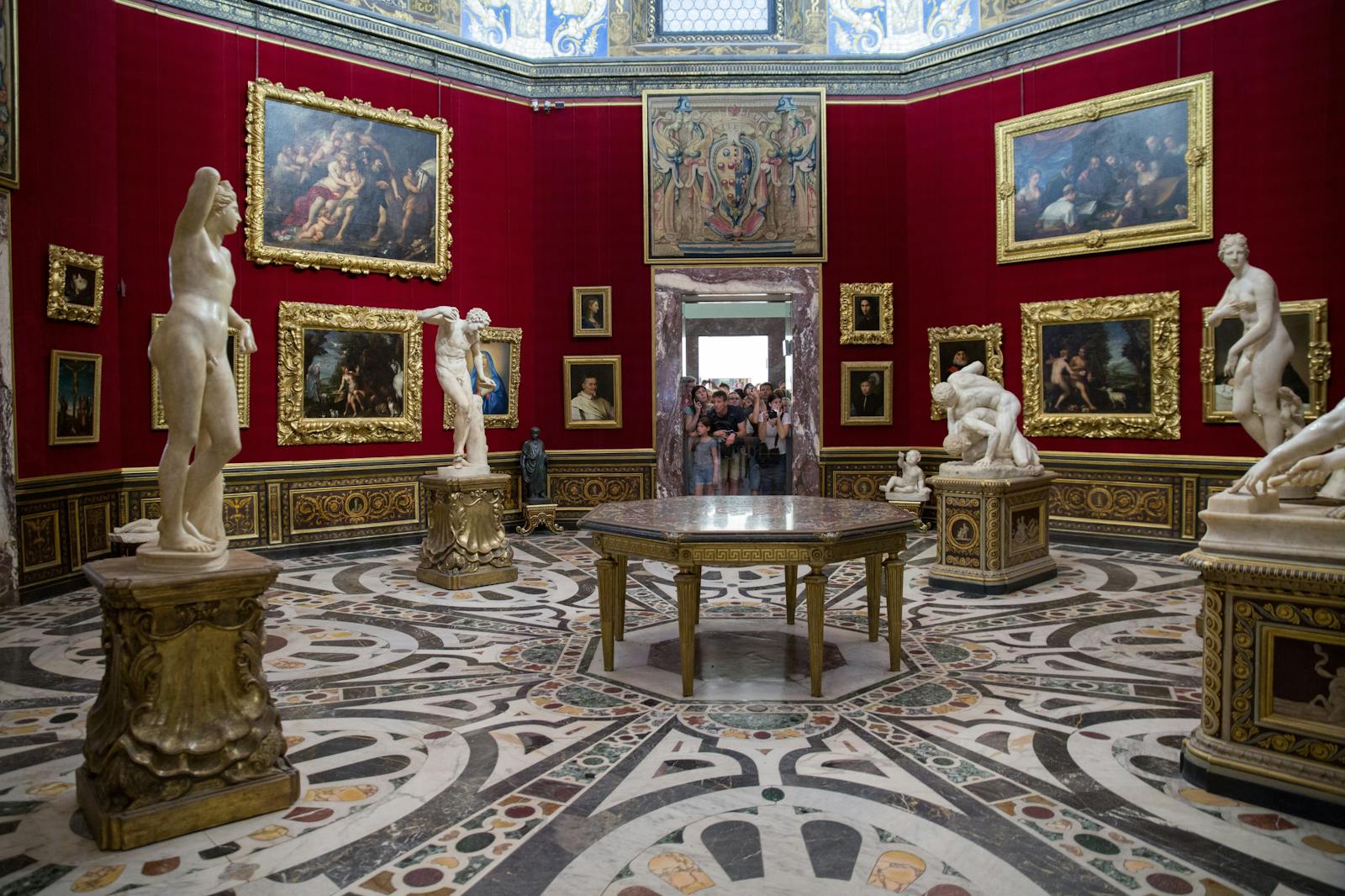
Do not miss the Tribuna, an octagonal room designed as a sanctuary for the most precious objects of the Medici. Decorated sumptuously, it displays ancient statues and master paintings in an exceptional Baroque setting. It is one of the few spaces where you can still feel the intimacy of private collections before they were opened to the general public.
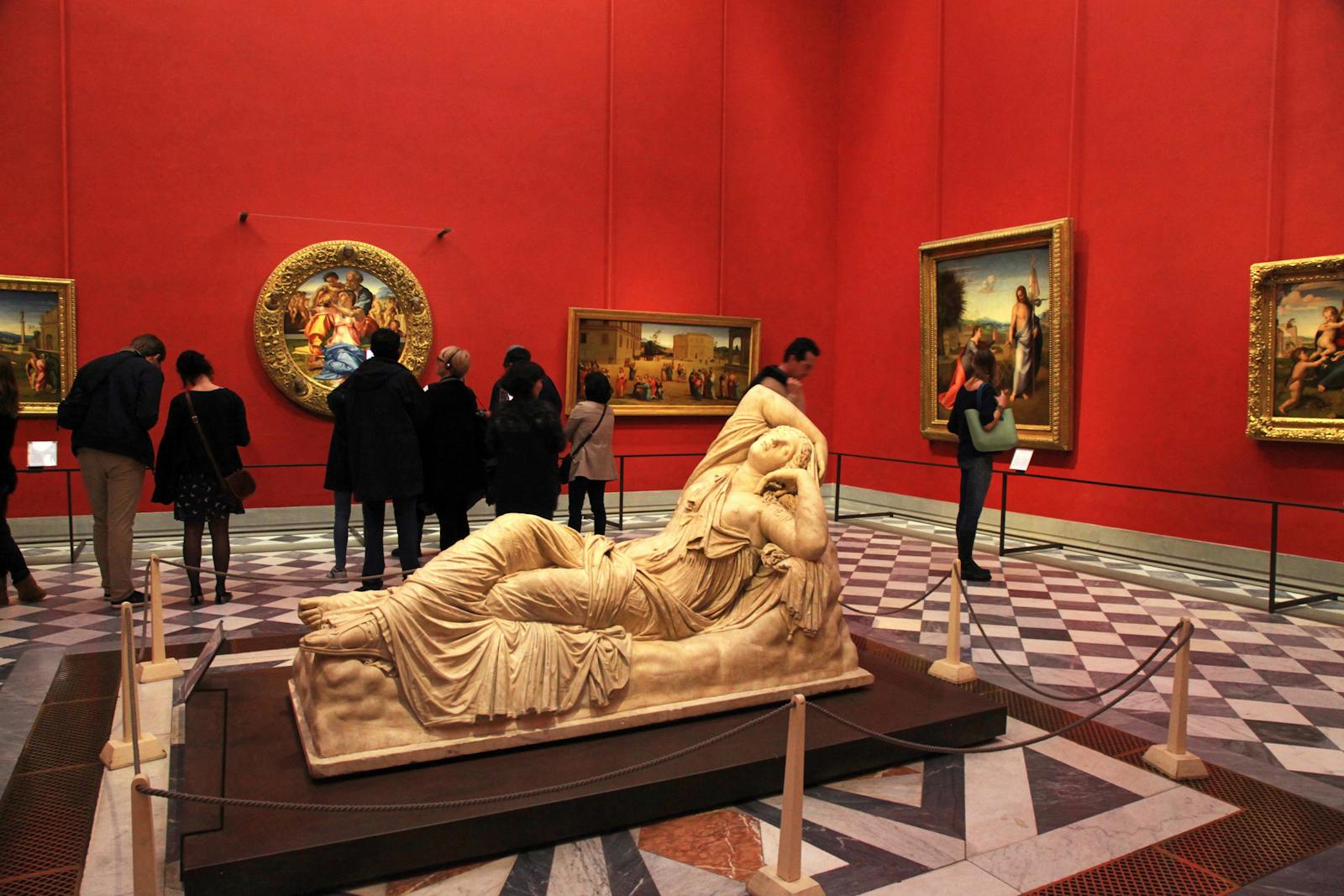
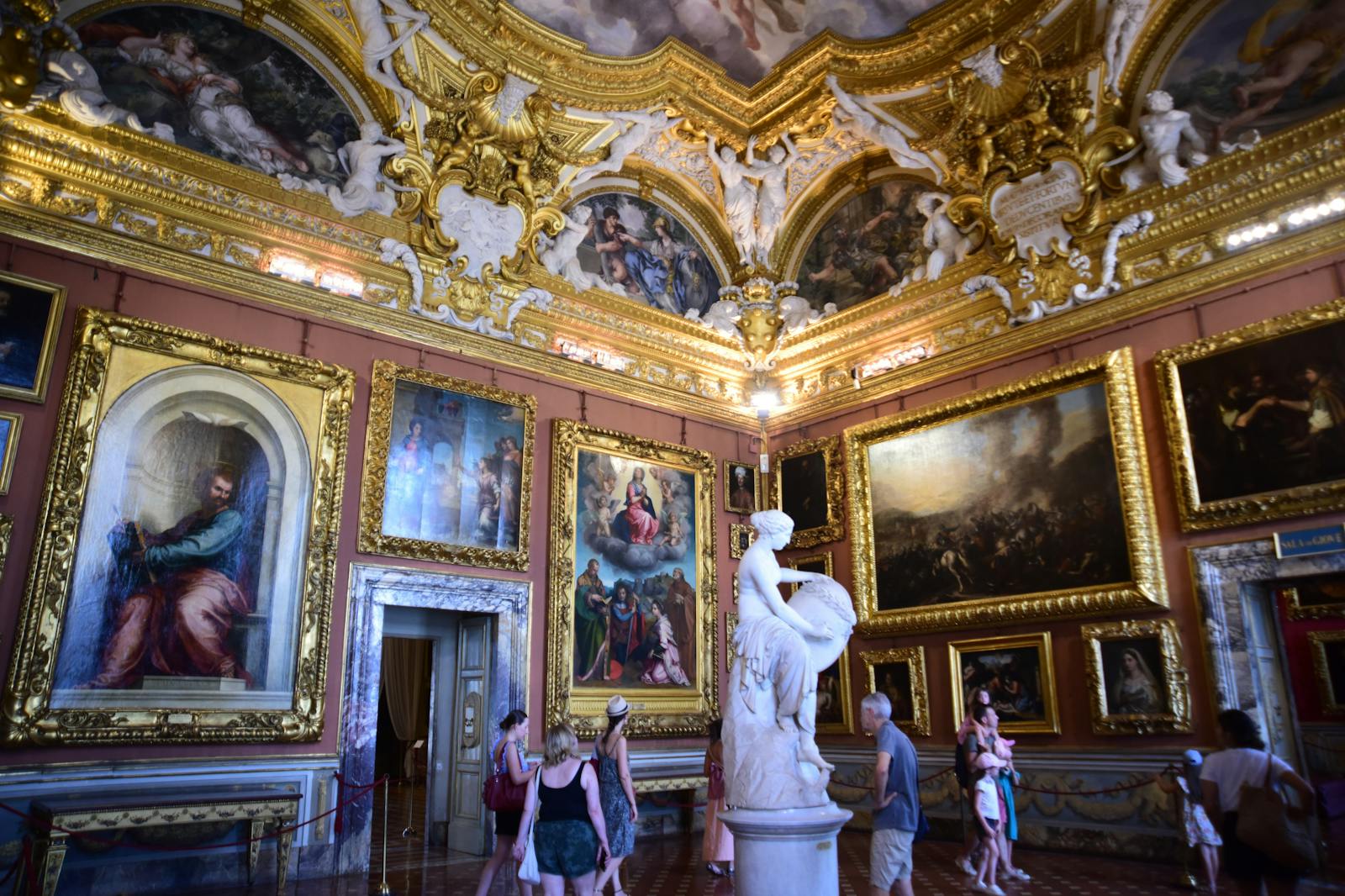
Beyond Botticelli, the museum possesses the finest existing collection of Raphael and major works by Leonardo da Vinci. Artists such as Michelangelo, Titian, and Caravaggio are also represented with key pieces. Each room follows a chronological progression that allows you to understand the stylistic evolution of Italian painting from the 12th to the 18th century.
Practical tips for visiting
Always use the term 'Uffizi' when searching or requesting information, as it is the internationally recognized name. This avoids any confusion with other local institutions. The bilingual signs and guides primarily use this Latin appellation to refer to the entire museum complex, sometimes including the Vasari corridor.
Prefer visits in winter, before Christmas, or early in the morning at 9:00 AM to escape summer saturation. The months of July and August see an influx of school groups that make circulation difficult. Arriving strictly at opening time allows you to tour the main halls in relative calm before the massive tourist rush.
Allow at least 2 to 3 hours for a complete visit respectful of the artworks. With 12,000 m² to cover, wear comfortable shoes and use the free cloakroom for large bags. Although access is generally facilitated for people with reduced mobility, some historical stairs may require detours depending on the entrance chosen.

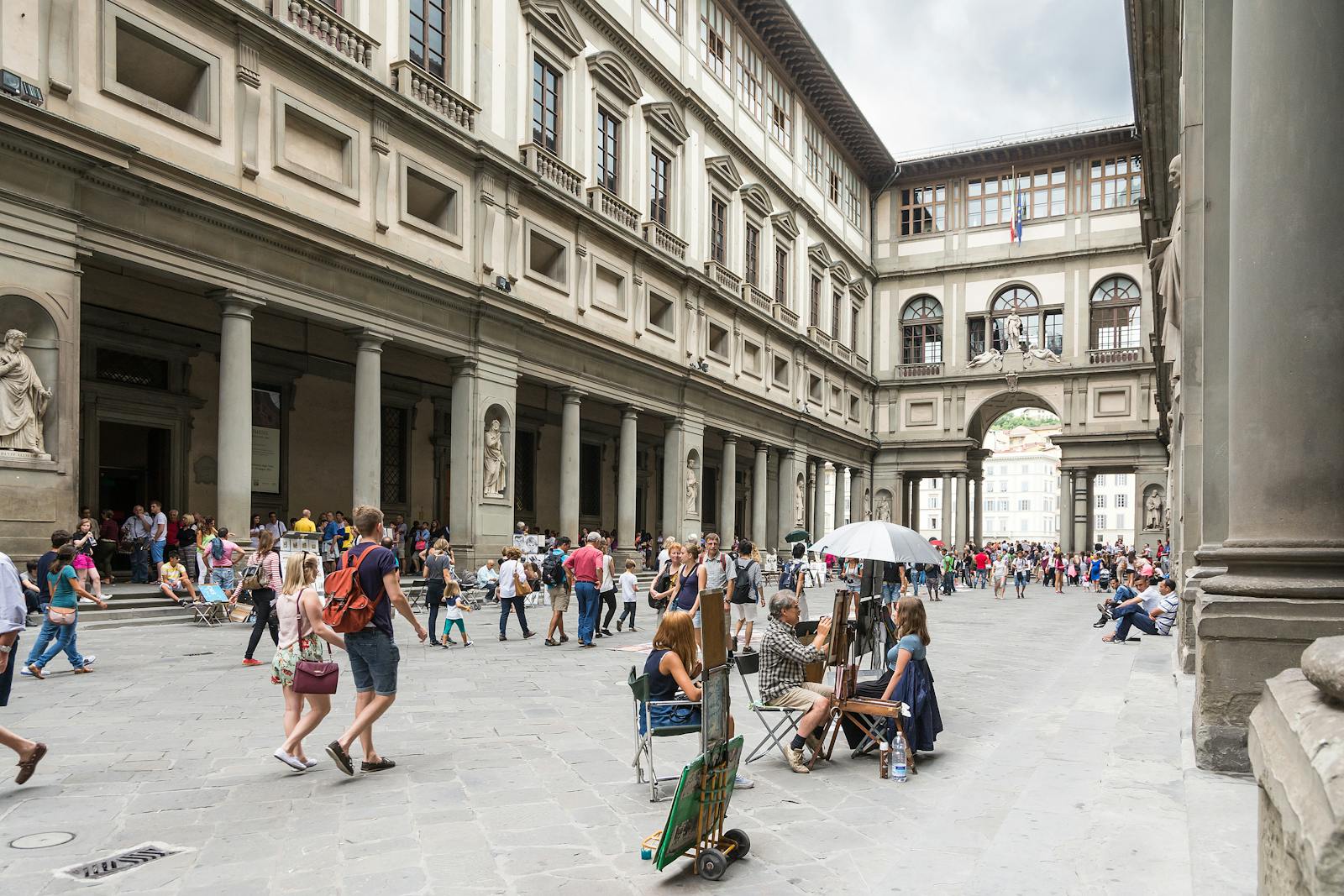
The treasures of the Renaissance
A unique collection in the world
Tips for visiting the Uffizi Gallery
Insider tips
Arrive at strict opening time
Showing up exactly at 8:15 AM or 9:00 AM allows you to enter before the massive tourist buses that arrive after 10 AM. You will thus enjoy ideal natural light and reduced crowds to admire masterpieces without stress or excessive waiting in the main rooms.
Head directly to Rooms 10-14
For Botticelli fans, going directly to the first floor, galleries 10 to 14, avoids wasting time in less frequented rooms. This strategy guarantees you see The Birth of Venus before the queue forms around this highly sought-after iconic work, which is often crowded.
Use the term 'Uffizi'
Asking for directions using 'Uffizi' rather than 'Offices' with locals or on bilingual signs ensures greater clarity. It is the universally recognized term to avoid any confusion during your international searches or on-site, especially near the Piazza della Signoria.
Enjoy the view of the Ponte Vecchio
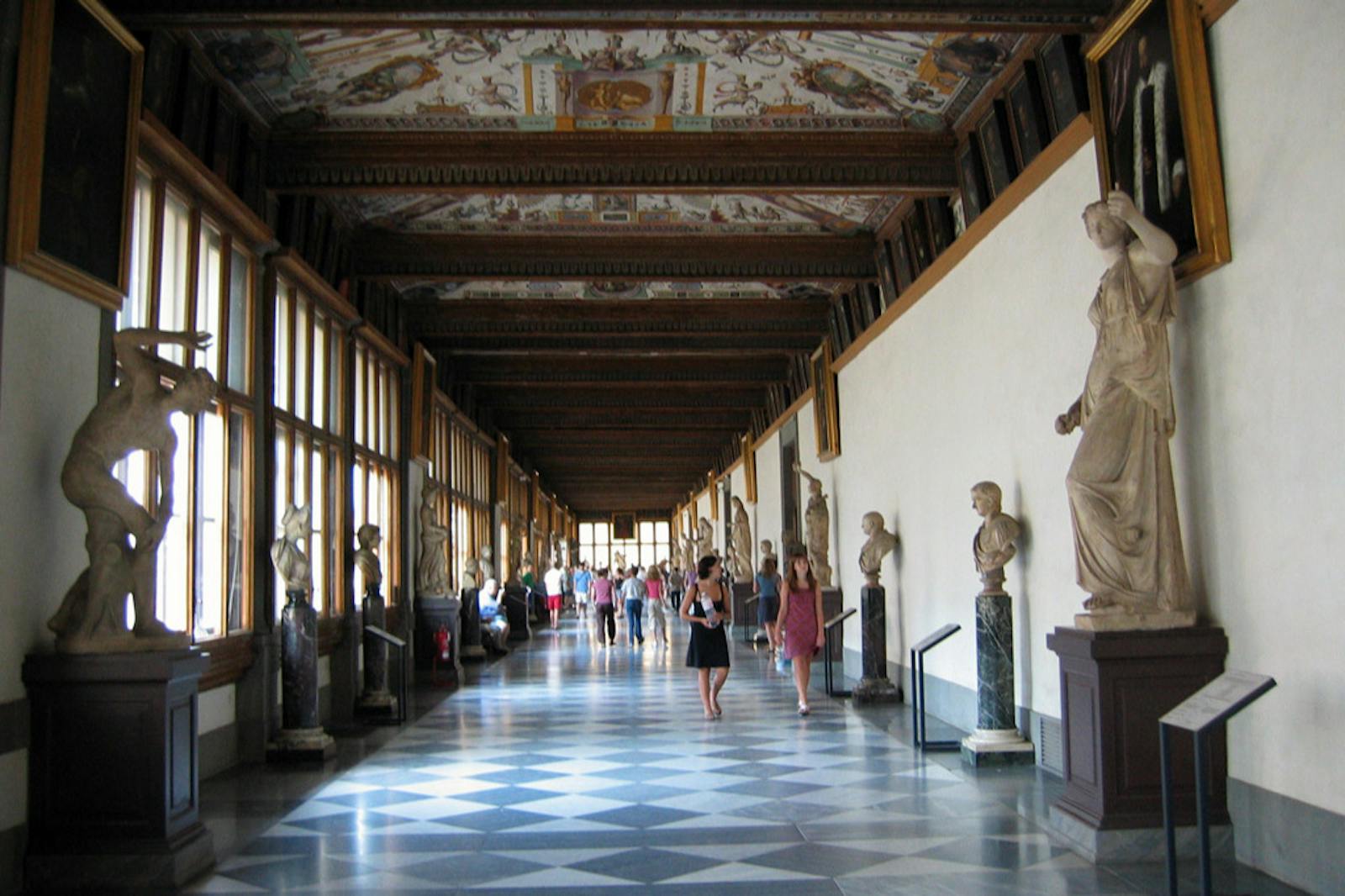
Do not neglect the corridor windows that offer a breathtaking view of the Ponte Vecchio and the Arno, often overlooked. This unique perspective connects the museum to Florence's urban history and makes for an excellent memorable photo break from the Corridoio Vasariano.
Avoid school holiday months
The corridors are flooded by school groups in summer; prefer November or January for a serene experience. Winter offers a rare contemplative atmosphere, allowing you to truly listen to audio guides without disturbing ambient noise in the Renaissance rooms.
Comfortable shoes mandatory
With 12,000 m2 to cover and several floors, the visit is physically demanding despite the elevators. Plan appropriate attire as you will walk a lot between the different thematic galleries scattered throughout the historic Medici building.
Strategic entrance vestibule
Use the entrance vestibule to orient yourself quickly before choosing your chronological or thematic route. Take five minutes to consult the wall map to locate key rooms such as those of Giotto or the Tribune.
Do not skip Room 2 (Giotto)
The room with the three Maestà is essential to understanding the roots of Florentine painting before the full Renaissance. Seeing the stylistic evolution from Giotto to Botticelli significantly enriches the overall understanding of the exhibition within the Galleries.
Ready to book?
Choose your tickets online and check their conditions before booking.
Book my ticketsDid you know?
Little-known anecdotes
The inalienable legacy of the Medici
How Anne-Marie-Louise prevented the dispersal of the collections to Vienna thanks to her will of 1743. This decisive gesture saved Florentine heritage from dilution into the Austrian imperial collections.
From administrative offices to museum
The building was initially designed by Vasari to house state offices, not to exhibit art. Built starting from 1560, it served primarily for the daily management of the Grand Duchy of Tuscany.
Italian attendance record
With more than 4 million visitors in 2019, it is the most visited museum in Italy outside the Vatican. Precisely 4,391,861 people passed through its doors that record year before the pandemic, confirming its status as an unmissable cultural destination for lovers of world art.
The Tribuna, a Baroque jewel
This octagonal room, the famous Tribune, was used to display the most precious treasures of the Medici before the opening of the public museum. It remains today a symbol of absolute artistic power and exclusivity.
A unique global collection
Beyond the Italian Renaissance, the museum holds the finest existing collection of Raphael and Botticelli. Across its 12,000 m2, every square meter is saturated with major European works, offering total immersion in the history of art from the 12th century to the 18th century.
Monumental inventory of 1779
By the end of the 18th century, the museum already counted more than 1,100 paintings and 90 ancient statues. This early inventory testifies to the considerable scale of Medici acquisitions since the early modern period, consolidating its global rank thanks to the convention of 1743 signed by Anne-Marie-Louise.
Include the Uffizi Gallery in your trip to Florence
Three itineraries based on available time
The essence of the Renaissance
- 9:00 AM: Quick entry to the Uffizi thanks to your advance booking.
- 9:30 AM: Targeted visit of the Botticelli rooms (10-14) and the Tribuna.
- 11:30 AM: Coffee break on Piazza della Signoria right opposite the museum.
- 12:00 PM: Light lunch near the central market to digest the art.
Total Florentine immersion
- 9:00 AM: Complete tour of the Uffizi for about two and a half hours.
- 11:45 AM: Cross over to Ponte Vecchio or special access to the Vasarian Corridor.
- 1:00 PM: Typical lunch near Sant'Ambrogio market, more authentic than the center.
- 2:30 PM: Visit the Baptistery of St. John or detailed discovery of the Duomo.
- 4:30 PM: Relaxing stroll through the Boboli Gardens, close to the Pitti Palace.
Florence and surroundings
- Day 1: Morning at the Uffizi, afternoon at the Pitti Palace and Boboli Gardens.
- Day 2: Excursion to Siena (1h30 by train) to compare Sienese art.
- Day 3: Discovery of the Oltrarno district and visit to local artisan workshops.
- Evenings: Dinners in family trattorias away from tourist traps.
The Florence Pass
Get a combined entry ticket for 3 of Florence's top attractions.
From 92,50 €
See also
More must-see experiences in Florence
Interactive map
Find the attraction and nearby places to visit
Near Uffizi Gallery
Make time to explore the surrounding area
Ponte Vecchio
3 min walk
The famous medieval bridge lined with jewelers, offering an iconic view of the Arno from the museum windows.
Church of San Michele
5 min walk
Baroque temple housing Donatello's famous David, essential to complete your Renaissance circuit.
Palazzo Vecchio
4 min walk
Former ducal palace of the Medici, a direct witness to the political intrigues that shaped the collections of the Uffizi.
Boboli Gardens
15 min walk
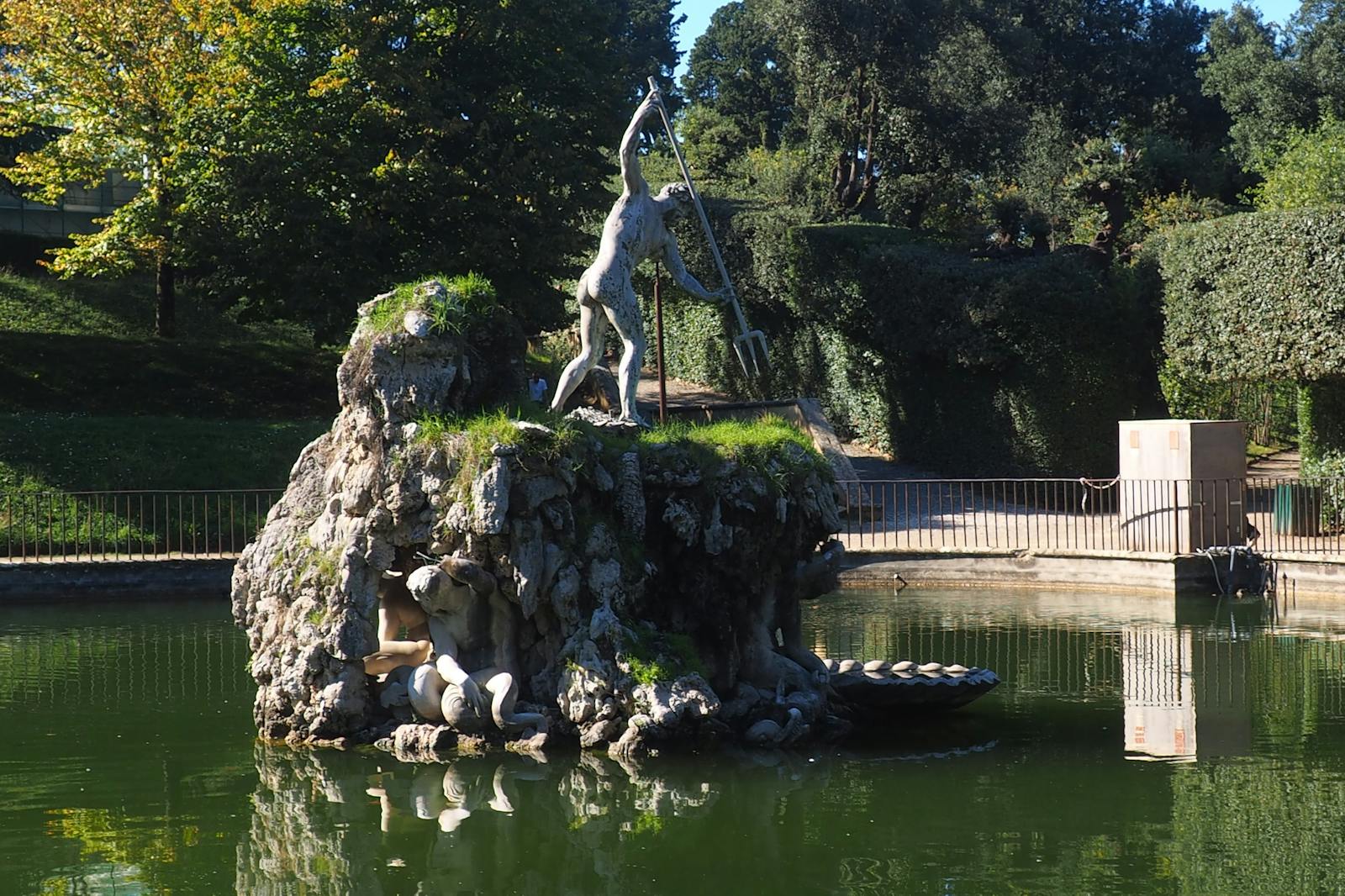
Magnificent historic garden adjacent to the Pitti Palace, perfect for a shaded break after the museum visit at the Boboli Gardens.
Trattoria Sostanza
10 min walk
Traditional restaurant renowned for its Florentine meatballs, ideally located near the central market of Florence.
Loggia dei Lanzi
5 min walk
Open sculpted gallery facing the Palazzo Vecchio, a true open-air museum of Renaissance statues.
How to get to the Uffizi Gallery
Estimated travel times from the main points in the city
Metro : Santa Maria Maggiore (8 min walk) Bus : Vecchietti (7 min walk)
- From Florence Train Station 1,1 km → 9 min
- From Florence Airport - Peretola 6,3 km → 21 min
- From Uffizi Gallery 0,1 km → 6 min
- From Florence Train Station 1,1 km → 12 min
- From Florence Airport - Peretola 6,3 km → 33 min
- From Uffizi Gallery 0,1 km → 9 min
- From Florence Train Station 1,1 km → 7 min
- From Florence Airport - Peretola 6,3 km → 24 min
- From Uffizi Gallery 0,1 km → 3 min
- From Florence Train Station 1,1 km → 7 min
- From Florence Airport - Peretola 6,3 km → 31 min
- From Uffizi Gallery 0,1 km → 3 min
- From Florence Train Station 1,1 km → 13 min
- From Uffizi Gallery 0,1 km → 2 min
Accommodation
Find a hotel near Uffizi Gallery
Frequently asked questions
Everything you need to know before your visit
Booking
Visit
Practical Info
Accessibility
Uffizi Gallery on video
A preview of this exceptional place before your visit
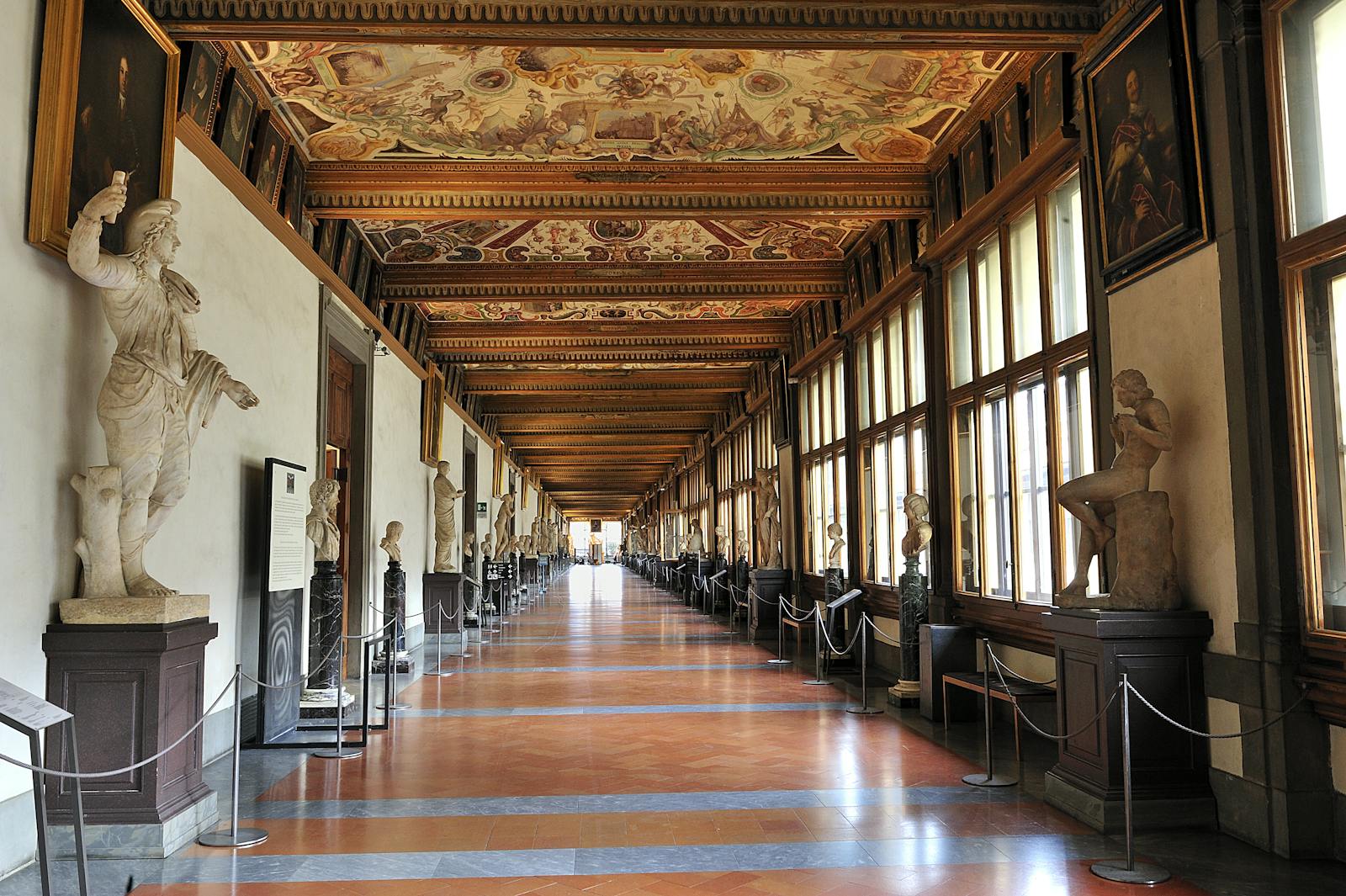
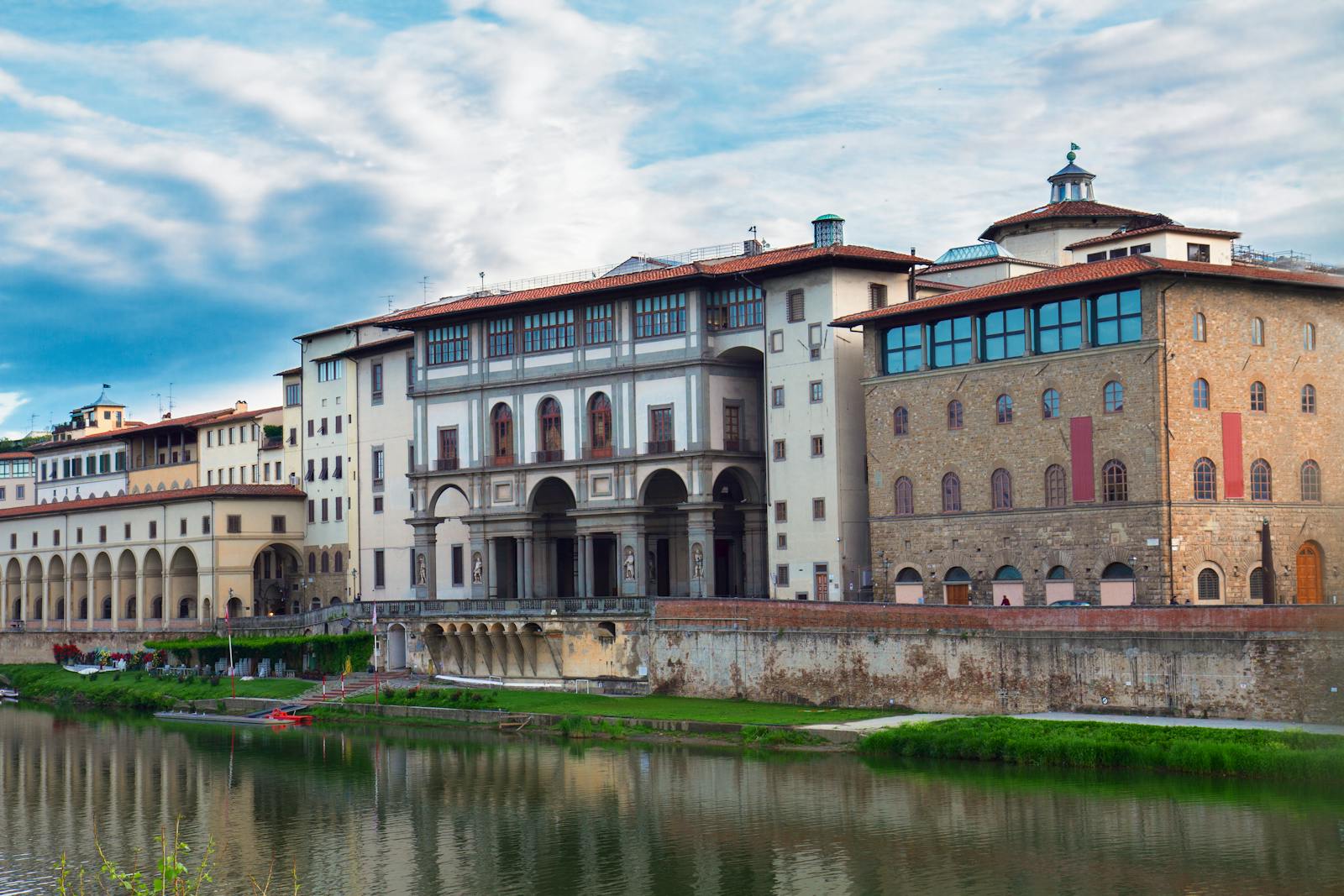
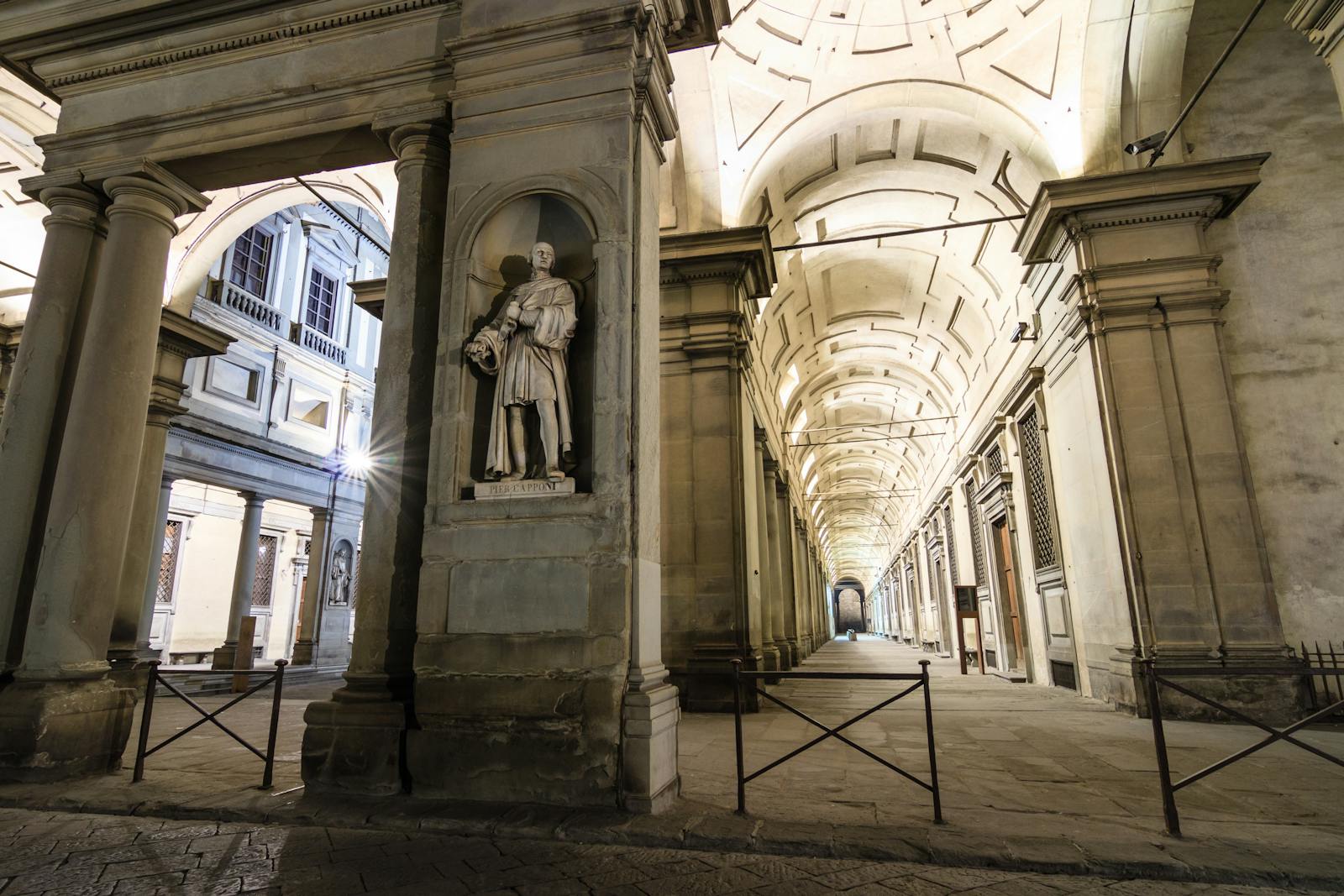
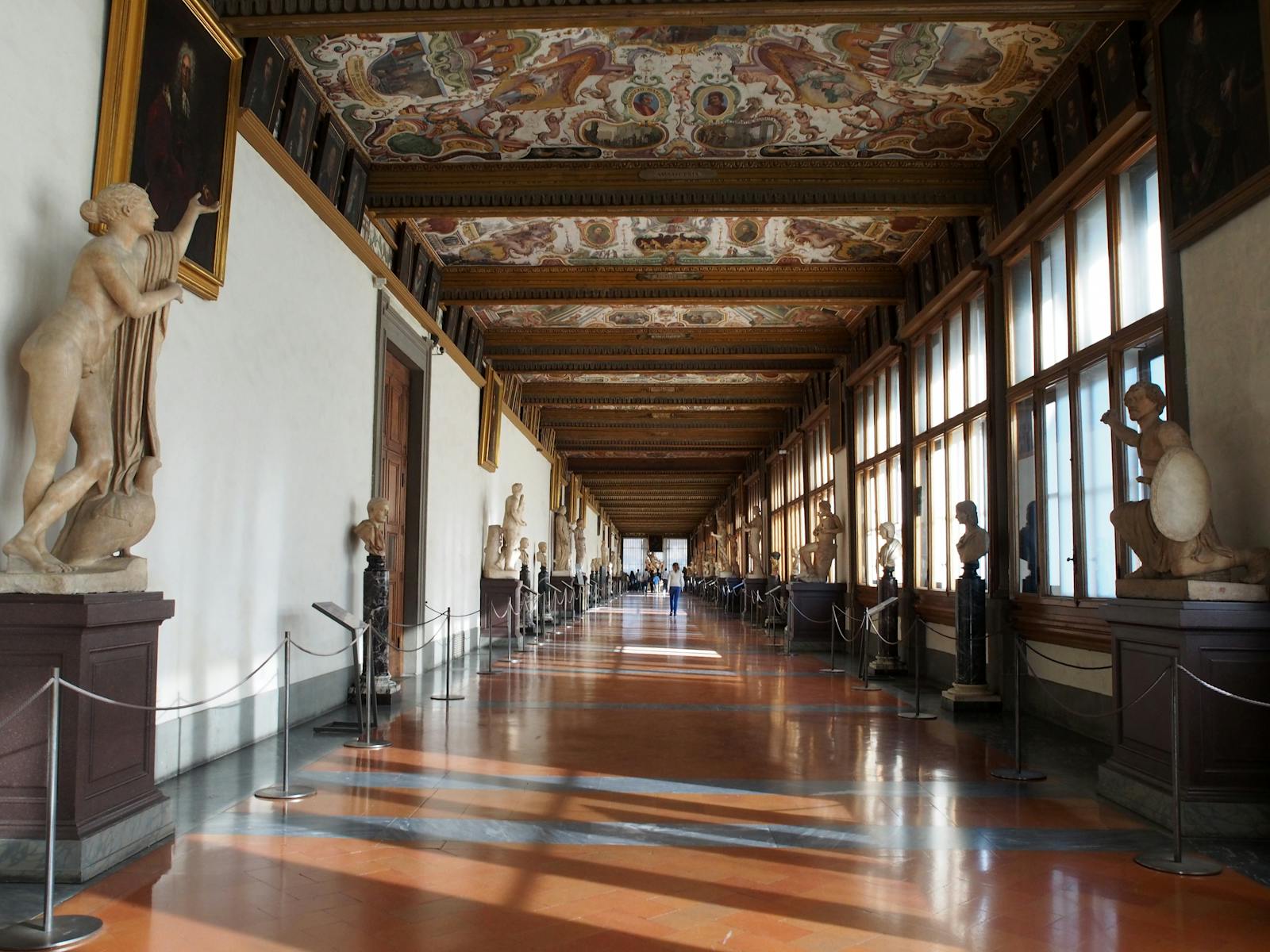
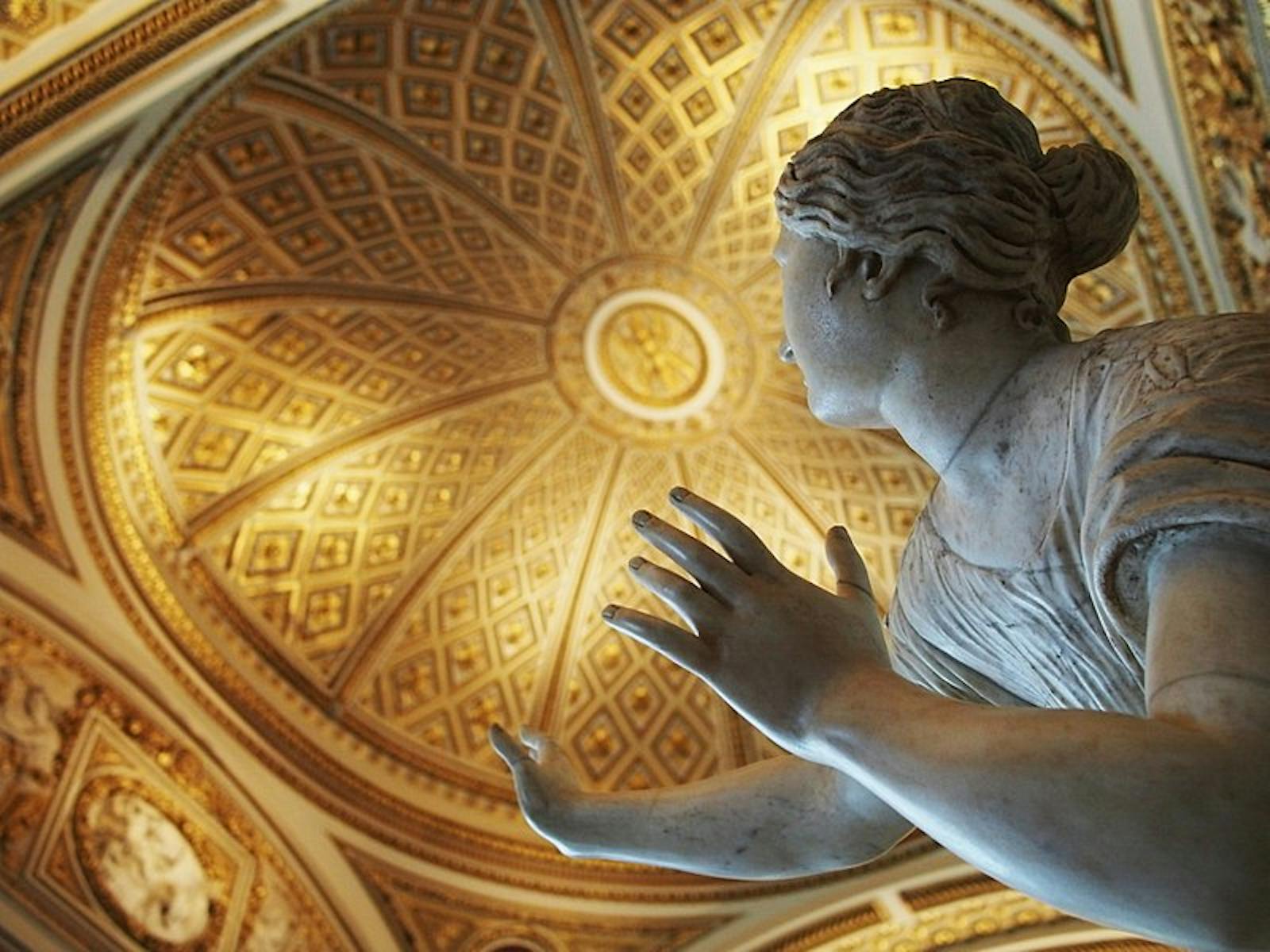
Uffizi Gallery in pictures
See what to expect during your visit



Uffizi Gallery vs other Florentine museums
Quick comparison with other major sites
| Uffizi Gallery | Palazzo Pitti | San Marco Museum | |
|---|---|---|---|
| Year established | 1765 | 1865 | 1868 |
| Exhibition area | 12,000 m2 | 15,000 m2 | 2,000 m2 |
| Adult price | 25€ | 15€ | 10€ |
| Visit duration | 2-3h | 2h | 1h |
| Highlight | Best Botticelli collection | Baroque and Post-Renaissance Art | Fra Angelico frescoes |
Ready to book?
Choose your tickets online and check their conditions before booking.
Book my tickets